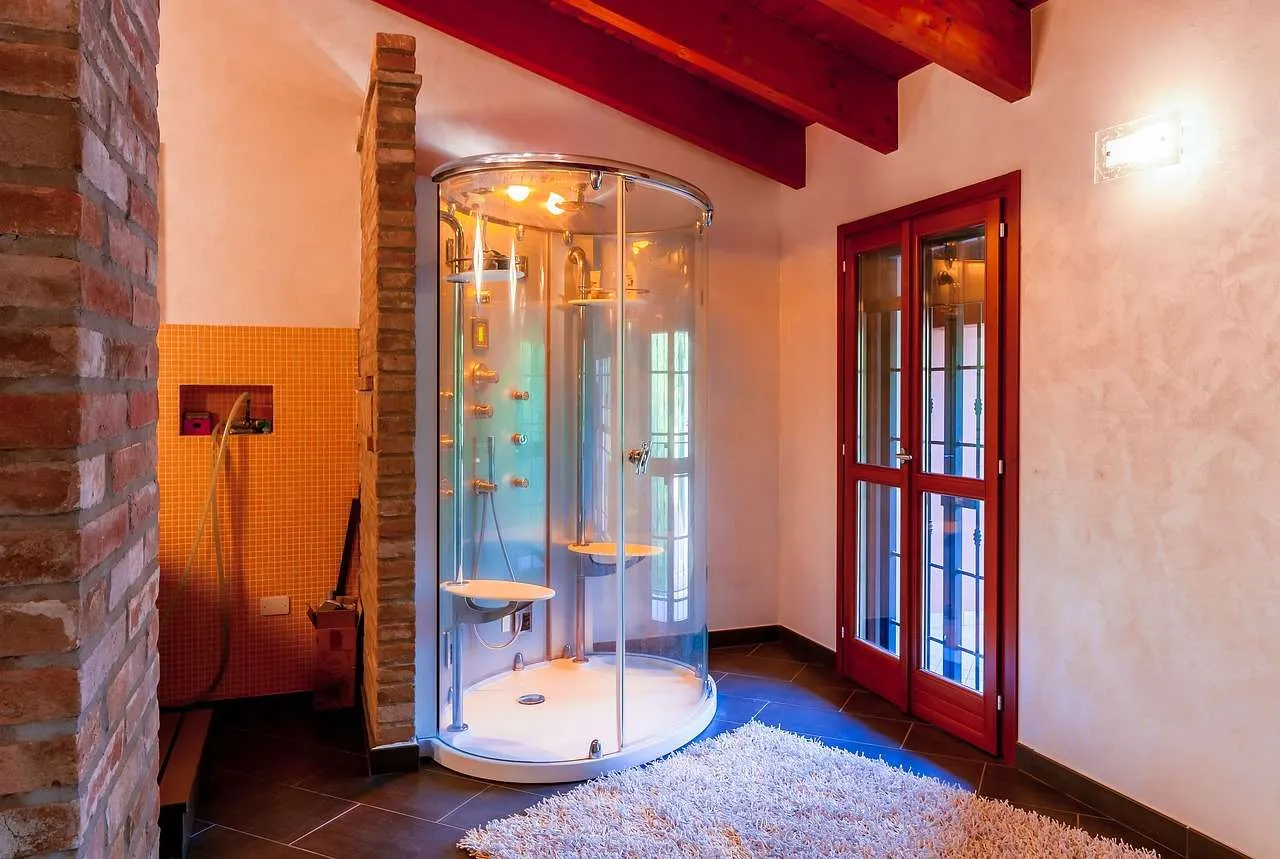
Designing a small bathroom requires strategy, not sacrifice. With the core idea of small bathroom ideas, you can transform a cramped space into a calm, functional zone that feels bigger than its actual footprint. This guide blends practical space planning, durable finishes, and stylish details, drawing on professional experience and current design best practices to ensure both usability and lasting value. Based on more than a decade of renovating compact baths for homeowners and renters, these strategies balance aesthetics with durability. This article also reflects EEAT principles by integrating proven design practices and practical checks from years of hands-on work.
Space-Smart Layouts for Small Bathrooms
Start with a layout that keeps traffic clear and eliminates visual clutter. Consider moving the door to a pocket or other non-swing option to gain precious inches. A corner shower, compact vanity, and wall-hung toilet can free floor space while maintaining comfort. Plan sightlines to avoid visual breaks and use mirrors to reflect light, making the room feel more open. If a door must swing, choose a reversible hinge or a compact door swing that minimizes intrusions into the usable area.
Fixtures and Proportions
- Choose wall-hung or pedestal fixtures to reveal more floor area.
- Opt for a shallow vanity or a vanity with built-in storage to conceal everyday items.
- Use a corner basin or a compact countertop sink when possible.
- Consider a trough sink or a semi-recessed vanity to maximize counter space without crowding the room.
Color, Light, and Surfaces
Light, reflective surfaces multiply perceived space. Use pale neutrals or soft cool tones on walls and ceilings, and select glossy tiles or large-format porcelain to reduce grout lines. A large mirror or mirrored wall can double the sense of depth. Add layered lighting with recessed ceiling lights and a vanity light that spreads evenly across the face. Matte finishes for cabinetry paired with high-gloss tiles can balance practicality and style.
Color and Lighting
- Stick to a cohesive palette to avoid busyness and keep the space calm.
- Incorporate LED lighting with dimmable controls for atmosphere and task needs.
- Choose moisture-resistant finishes that are easy to clean and maintain.
Storage and Organization
Hidden storage is your best friend in a small bathroom. Built-in niches in the shower, a recessed medicine cabinet, and a wall-hung vanity with drawers help keep counters clear. Consider tall, slender storage units, vertical organizers, and shelving above the toilet to use vertical space without crowding the floor. Use organizers inside drawers and baskets on open shelves to reduce clutter while maintaining accessibility.
Materials and Maintenance
Durable, water-resistant materials save time and money over the life of the bathroom. Porcelain or ceramic tiles, quartz countertops, and solid-surface shower walls offer longevity and easy maintenance. Non-slip floors and properly sealed joints prevent accidents and water damage. When selecting materials, prioritize moisture resistance, ease of cleaning, and long-term value to support a strong return on investment. Regular sealing of grout and prompt repair of any leaks extend the life of the finish.
Implementation Tips and Budgeting
Set a realistic budget, prioritize essential upgrades, and plan for a professional to ensure waterproofing and electrical work is code-compliant. For many homeowners, focusing on one or two big changes—such as a new shower configuration and a floating vanity—delivers the most noticeable improvement at a reasonable cost. Always compare materials and warranties, and don’t overlook the timing of the renovation to minimize disruption. Consider phased upgrades if a full remodel is not feasible, and track costs with a simple spreadsheet to stay on target.
Comparison: Popular Small-Bathroom Upgrades
| Upgrade | Pros | Cons | Best For |
|---|---|---|---|
| Glass shower enclosure | Feels spacious; easy to clean and maintain moisture control | Higher upfront cost; installation precision required | Wet areas with good lighting |
| Floating vanity | Creates open floor space; modern look | Storage may be limited if compact | Airy, contemporary baths |
| Pocket door | No swing space needed; maximizes footprint | Complex install; budget impact | Very tight layouts |
| Recessed niches | Keeps items off counters; organized | More complex carpentry | Showers and baths with clutter-prone items |
Conclusion, small bathroom ideas balance layout optimization, smart fixtures, bright finishes, and clever storage to create a space that feels larger and works better. By choosing wall-mounted elements, maximizing light, and using well-planned storage, you deliver a bathroom that respects your budget and your daily routines. With careful material choices and a thoughtful plan, a compact bath can read as roomy, serene, and efficient.