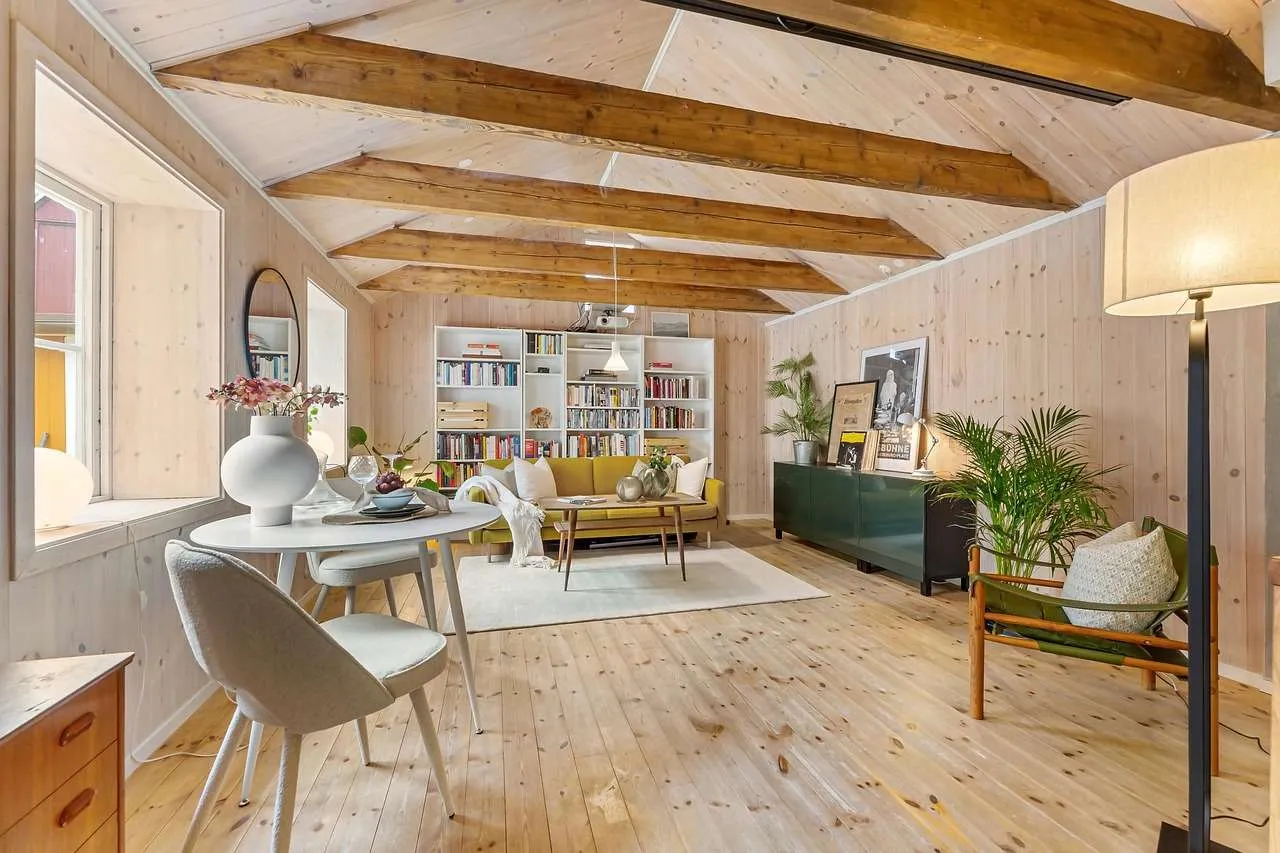
Window tint for home refers to a thin film applied to windows to reduce heat, glare, and UV exposure while increasing privacy. When chosen and installed correctly, it can dramatically improve indoor comfort, protect furnishings from sun damage, and lower energy costs. This guide breaks down how window tint for home works, which tint options fit different needs, and how to choose and maintain the right film for your house.
What is window tint for home
Home window tinting uses a multi layer film that adheres to the interior surface of glass. The primary purpose is to limit the amount of solar heat that enters a room, while still letting in adequate daylight. A secondary benefit is reducing harmful ultraviolet radiation, which can fade fabrics and cause skin exposure concerns. Tinting can also enhance privacy without sacrificing too much visibility, especially on lower floors or street facing windows.
Benefits of window tint for home
- Energy efficiency and comfort: By reducing heat gain in summer and heat loss in winter, tint helps maintain stable indoor temperatures.
- UV protection: Most films block up to 99 percent of ultraviolet rays, preserving furnishings and protecting occupants.
- Glare reduction: Lowering harsh glare improves comfort for screens and reading areas.
- Privacy and safety: Tinted glass can deter intruders and reduce visibility from outside while maintaining exterior light.
- Durability and aesthetics: Modern films resist scratches and can add a uniform look to aged windows.
Choosing the right tint for home
Selecting the best tint involves balancing heat rejection, light transmission, appearance, and cost. Consider climate, exposure, and local regulations before purchasing.
Tint types and how they perform
Different film technologies offer varying levels of performance and price. Here are the main options:
- Dyed film: An affordable option that provides color and reduces glare. It does not block as much heat as other types and can fade over time.
- Metalized film: Excellent heat rejection and added strength but may interfere with electronics and signals in some homes.
- Ceramic film: High heat rejection, excellent clarity, and non conductive. This is often the best all around performance but at a higher upfront cost.
- Carbon film: Matte finish that reduces heat with good UV protection, without reflectivity. Durable and aesthetically versatile.
- Low E coatings: A coating designed to improve thermal performance with minimal color change. Often used with existing glass and can be part of energy efficiency upgrades.
When evaluating options, look at the labeled metrics: visible light transmission (VLT), heat rejection rate, and UV rejection. Higher heat rejection generally results in cooler interiors but may also reduce natural light; find a balance that suits your home’s orientation and comfort goals.
Legal considerations and privacy
Local laws may regulate the amount of tint allowed for front or street-facing windows. In some jurisdictions, front windows require higher visibility ratings. Always check with a licensed installer familiar with your area to avoid compliance issues and ensure that the film warranty remains valid.
Professional installation vs DIY
Professional installation ensures a clean, bubble-free finish and long term durability. Pros can also advise on the most effective tint percentage for each room and handle complex projects like large windows, skylights, or curved panes. DIY kits are available for smaller projects but may result in uneven edges or micro bubbles if you lack experience. Warranty terms commonly prefer professional installation to maintain coverage.
Maintenance and care
Cleaning window tint for home is simple but requires the right technique. Use a soft cloth or sponge and a mild soap solution. Avoid ammonia-based cleaners, which can degrade films over time. Do not scrape the film with blades or rough tools, and address any edge lifting promptly with professional help to prevent further damage.
Cost and return on investment
Prices vary by film type, square footage, and labor. Home window tinting generally ranges from a low upfront cost for basic dyed films to higher investments for ceramic or carbon films with professional installation. On average, homeowners may see energy savings of several percent to over ten percent of monthly cooling costs, depending on climate and window exposure. A well chosen tint can also extend the life of furnishings by reducing sun damage and help maintain comfort across seasons.
| Tint Type | Light Transmission | Heat Rejection | UV Rejection | Typical Cost | Pros | Cons |
|---|---|---|---|---|---|---|
| Dyed | 45-80% | Moderate | Up to 99% | 2-6 per sq ft | Affordable, good color | Fades over time |
| Metalized | 30-70% | High | Very high | 3-7 per sq ft | Excellent heat rejection | Possible interference with signals |
| Ceramic | 60-85% | Very High | Very high | 5-12 per sq ft | Clear view, non conductive | Higher upfront cost |
| Carbon | 50-75% | High | High | 4-9 per sq ft | Matte finish, good heat control | Mid-range cost |
| Low E | 60-85% | Very High | Very high | 5-10 per sq ft | Excellent energy performance | Limited color options |
Maintenance recap and practical tips
To maximize lifespan and performance, schedule professional inspections every few years and address any edge lifting or bubbling promptly. Pair tinting with other energy upgrades like weatherstripping or reflective roof coatings for enhanced results. When comparing quotes, ask about warranty length, included services, and the installer’s experience with your window type.
Conclusion, window tint for home is a versatile solution for comfort, protection, and efficiency. Thoughtful selection, compliant installation, and ongoing care can deliver lasting benefits that improve living spaces while protecting interior furnishings from sun damage.
Summary, Window tint for home offers energy savings, UV protection, privacy, and safety. By choosing the right tint type, considering local laws, and hiring qualified installers, homeowners can maximize comfort and ROI while maintaining aesthetics.